Gagosian opens not a gallery, but a store.


The Gagosian empire has spread across Chelsea and the rest of the world, most recently to Rome, Italy. But this incredibly successful venture is taking on a new aspect–retail. Coolhunting reports that the store “focuses primarily on the publications, posters and accessible artist editions that the powerhouse gallery creates from its many shows at its galleries around the world.”

My first reaction was along the lines of “ugh, how commercial.” Unlike museum shops, this seems like a drive to squeeze the last penny out of an already profitable machine in a way that may or may not help the artist. But then I started daydreaming about the cool stuff that I might actually be able to afford….this is clearly designed to reach out to a whole new audience of people like me…I like that.

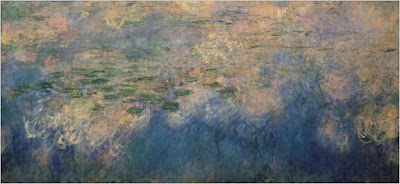
Light on Water: Monet at MoMA


Monets are pretty. I’m sure those who go to see MoMA’s small exhibition devoted to his water lilies series will agree. You might go on to say he anticipates abstract expressionism, that he left his canvasses radically unfinished, etc. All good points, ones that this exhibition will remind you of. Roberta Smith in her NYTimes article also informs you that he was influenced by Japanese screens. I like Monet’s Water Lilies, BUT

perhaps because they are so iconic
or perhaps because they’re just so pretty
[insert shoulder shrug] they don’t excite me.

I am mildly interested looking at them. I like to trace the bare canvas at the edges and notice how he layered color. I was pleased the colors in my Labor day photos and his paintings tied in nicely. But Monet hardly demands a strong reaction–he’s a more contemplative sort. The kind who was entranced by watching sunsets. And that’s fair enough.

Light on water is quite pretty.

Copyright: Who owns Mickey?

Call me a libertine, but I’m pretty open about the spread of images and their appropriation and reuse. So is this website Illegal Art, featuring projects like Ashley Holt’s Notmickey above. The art projects featured there have run into trouble for infringing copyright, and usually it’s with corporate entities who wish to protect and retain the only rights to Mickey Mouse, Viagra, or Starbucks. At some point, I would think cultural icons become public property rather than corporate property. I’m not sure where that point is.

The thing is, copyright protects individuals as well as corporations. The artists might feel differently were I to take their projects, like Notmickey, and claim them as my own and use them to create ads for Disney or sell t-shirts. (Or maybe they wouldn’t.)

At any rate, the Illegal Art website has some really interesting projects to illuminate these theoretical issues. My favorite? Four years ago, University of Iowa professor Kembrew McLeod trademarked the phrase “Freedom of Expression”–then hired a lawyer to sue for infringement.